
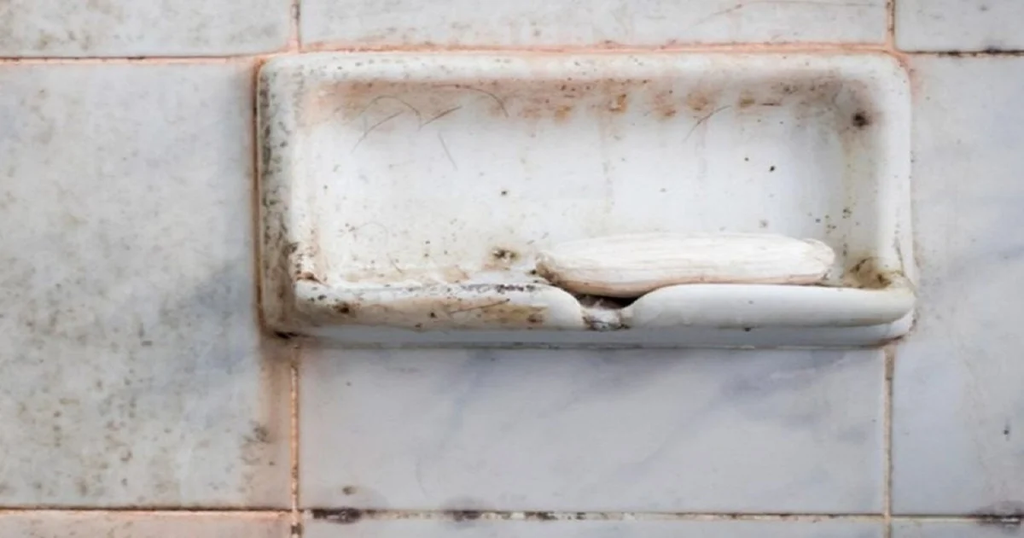
Imagine walking into your bathroom and suddenly noticing something strange near the shower drain. Maybe it is a pinkish stain along the edge of the tub, around the shower curtain, or hiding in the small gap between the tiles.
It may look like someone dropped a little pink medicine and never cleaned it up. But that slimy pink stuff usually is not a spilled drink or soap. It can be a type of bacteria called Serratia marcescens.
So, why does it appear in bathrooms?
This bacteria likes places that stay wet and warm, which makes your bathroom a perfect home.
It can grow on things like soap residue, shampoo, conditioner, and other products that leave a thin film behind. When moisture stays on a surface for a long time, these areas can become an ideal place for the bacteria to grow.
That is why you may notice the pink slime around shower drains, tubs, sinks, toilet areas, and other places that stay damp.
If your home uses treated city water, chlorine can help reduce the amount of this bacteria in the water. However, it does not mean your bathroom can never develop the pink buildup. Moist surfaces and leftover soap can still give it a place to grow.
Should you be worried?
For most healthy people, pink bathroom slime is usually more of a cleaning problem than a serious health threat.
However, Serratia bacteria can sometimes cause infections, particularly in people with weakened immune systems or other health problems. Because of that, it is still a good idea to clean the buildup instead of letting it continue to grow.
How can you clean it?
You do not need anything extreme. Regular cleaning and proper disinfection can usually take care of the problem.
First, follow the instructions on your cleaning product carefully. If you are using bleach, never mix it with other cleaners unless the product label specifically says it is safe. Mixing bleach with certain chemicals can create dangerous fumes.
Apply the appropriate cleaner to the affected area and allow it to sit for the amount of time recommended on the label. Then use a soft brush or cloth to remove the buildup.
After cleaning, rinse the area well so no cleaning product is left behind.
The most important step is preventing it from coming back
Cleaning the pink slime is only half the job. You also need to reduce the moisture that allows it to return.
After taking a shower, wipe down wet surfaces when possible. Turn on the bathroom exhaust fan and leave it running long enough to remove the moisture. Opening a window can also help if your bathroom has one.
Try not to leave shampoo bottles, soap, and other products sitting in puddles of water. Keeping these areas clean and dry makes it much harder for bacteria to build up.
If your bathroom stays damp for hours even when you use the fan, poor ventilation could be part of the problem. Improving airflow may make a big difference.
What about the toilet tank?
Sometimes pink buildup can also appear inside a toilet tank or around other wet parts of the toilet.
Rather than adding bleach directly to the tank, check your toilet manufacturer’s instructions first. Bleach and other harsh chemicals can damage certain toilet components over time. Regularly cleaning the toilet according to the manufacturer’s recommendations is a safer approach.
Pink slime may look disgusting, but seeing it does not mean your bathroom is falling apart. It usually means that bacteria have found exactly what they like: moisture, warmth and leftover residue.
Clean the affected areas, keep the bathroom as dry as possible, and pay attention to those forgotten corners.
And yes, there is probably one spot in your bathroom that you have not cleaned in months.
You already know exactly where it is.

Dedicated and experienced pet-related content writer with a passion for animals and a proven track record of creating engaging and informative content. Skilled in researching, writing, and editing articles that educate and inspire pet owners. Strong knowledge of animal behavior, health, and care, combined with a commitment to delivering high-quality content that resonates with audiences. Seeking to leverage writing skills and passion for pets to contribute to a dynamic and mission-driven team.