
That Strange Missed Call Might Be a Scam
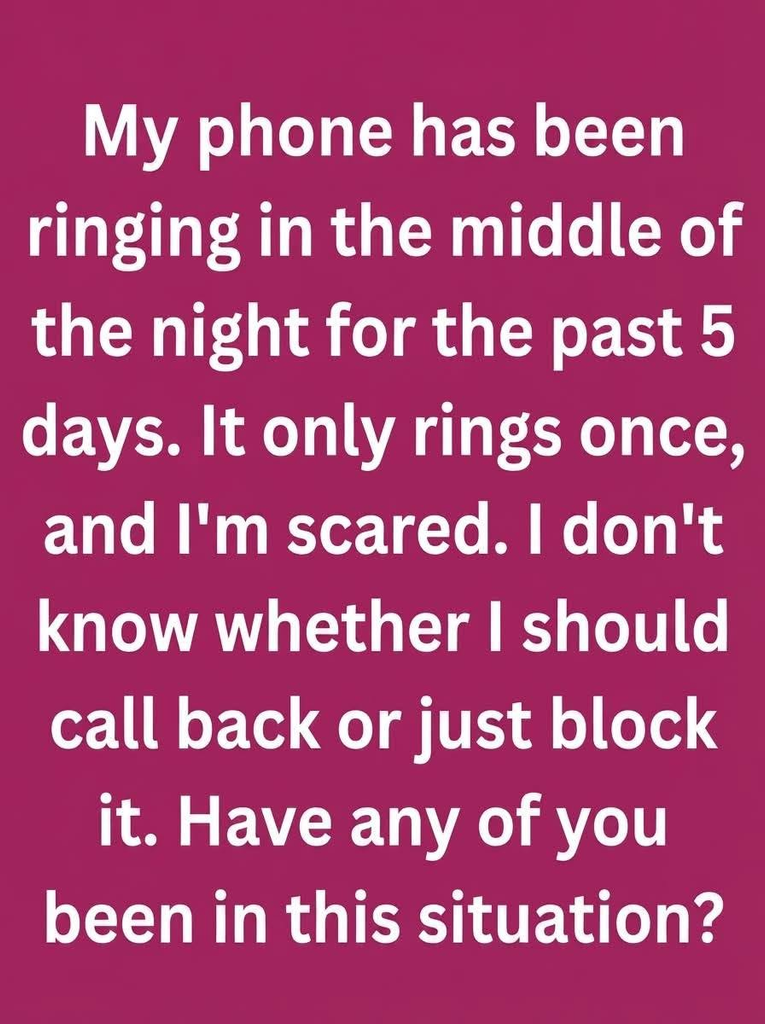
Your phone rings once in the middle of the night.
You wake up, look at the screen, and see a number you do not recognize. Before you can answer, the call is gone.
There is no voicemail.
No text message.
Nothing that explains why the person called.
Your first thought might be that something is wrong. Maybe a family member needs help. Maybe your bank is trying to reach you. Maybe it is an important emergency.
That feeling of uncertainty is exactly what some scammers try to create.
Why Would Someone Call and Hang Up?
Some scammers make very short calls and disconnect before you can answer. Their goal may be to make you curious enough to call the number back.
When you see an unfamiliar missed call, your mind naturally starts asking questions.
Who was it?
Why did they call?
Was it something important?
Should I call back?
Scammers know that people often react quickly when they are worried or confused. A late-night call can make this even more effective because you may be tired and not thinking clearly.
The trick is to give you almost no information while making you feel that you need to find out more.
Calling Back Can Create Problems
Some one-ring scams have involved international or premium-rate phone numbers. Calling back can sometimes lead to unexpected charges, depending on the number and your phone plan.
The scammer does not necessarily need to convince you of anything during the first call.
They simply want you to make the next move.
And that next move is calling them back.
The Conversation Can Be the Real Trap
Not every phone scam depends on expensive calls.
In many cases, the real danger begins after you answer.
A scammer may pretend to work for your bank, delivery company, mobile provider, government office, or another trusted organization.
They might already know simple details about you. Information from public websites, social media, or old data leaks can sometimes help them sound convincing.
Then they may start asking questions.
They could ask you to confirm your name.
They might request personal information.
They may ask for a security code sent to your phone.
Or they could tell you that your account has a serious problem and that you must act immediately.
The goal is to make you react before you have time to check whether the caller is genuine.
Do Not Trust Caller ID
A phone number appearing on your screen does not prove who is calling.
Scammers can use caller ID spoofing to make a call appear to come from a different number.
So if someone says they are calling from your bank, do not simply trust the number displayed on your phone.
Instead, hang up and contact the bank yourself using the official number from its website, mobile app, bank statement, or another trusted source.
That small extra step can help protect you from a fake caller.
Be Careful With “Can You Hear Me?”
You may have heard warnings about scammers asking, “Can you hear me?”
The idea that saying “yes” by itself can automatically allow someone to steal large amounts of money is often overstated.
However, unexpected callers can still use recorded audio, impersonation, and other social-engineering tricks as part of a larger scam.
So the important thing is not one particular word.
The important thing is the situation.
If a stranger suddenly starts asking for personal details, payment information, passwords, or verification codes, stop the conversation.
You do not need to continue just because the caller sounds friendly or professional.
Let Unknown Calls Go to Voicemail
One of the easiest ways to avoid many phone scams is to avoid immediately answering unknown numbers.
If the call is genuinely important, the person can often leave a voicemail or contact you another way.
A missed call does not mean you have to call back.
You are not required to solve the mystery behind every unknown number.
Slow Down When Someone Creates Urgency
Scammers often try to make people feel rushed.
They may say:
“Your account has been hacked.”
“Your payment is being processed.”
“Your account will be closed.”
“You need to verify this right now.”
When someone is pushing you to act immediately, slow down.
You can hang up.
You can check the information yourself.
You can contact the organization through an official channel.
You can simply decide not to do anything.
There is nothing wrong with taking a few minutes to verify a claim.
Protect Your Phone and Accounts
Use the spam-blocking and call-filtering tools available on your phone or through your mobile provider.
Report suspicious calls when appropriate.
It is also a good idea to regularly check your bank statements and phone bills. If something unusual appears, you may notice it before it becomes a bigger problem.
Most importantly, do not share passwords, banking information, PINs, or verification codes with unexpected callers.
Trust the Feeling That Something Is Wrong
Sometimes your first warning sign is simply a strange feeling.
Maybe the caller is rushing you.
Maybe the story does not make sense.
Maybe they refuse to let you hang up and call the organization yourself.
Maybe they keep asking for information they should already have.
These are good reasons to stop.
Scammers need you to stay engaged with them. They need you to keep talking, answering questions, clicking links, sending money, or sharing information.
The moment you stop engaging, they lose an important part of their advantage.
Sometimes Doing Nothing Is the Safest Choice
Imagine waking up at 3:00 AM because your phone rings once.
You look at the screen.
An unfamiliar number is staring back at you.
Your mind immediately starts imagining every possible emergency.
But you do not have to solve the mystery.
You do not have to call back.
You do not even have to answer.
Let the call stop.
If the matter is genuinely important, the legitimate person or organization can usually find another way to contact you.
Sometimes the safest response to a strange phone call is simply to put your phone down and go back to sleep.

Dedicated and experienced pet-related content writer with a passion for animals and a proven track record of creating engaging and informative content. Skilled in researching, writing, and editing articles that educate and inspire pet owners. Strong knowledge of animal behavior, health, and care, combined with a commitment to delivering high-quality content that resonates with audiences. Seeking to leverage writing skills and passion for pets to contribute to a dynamic and mission-driven team.