
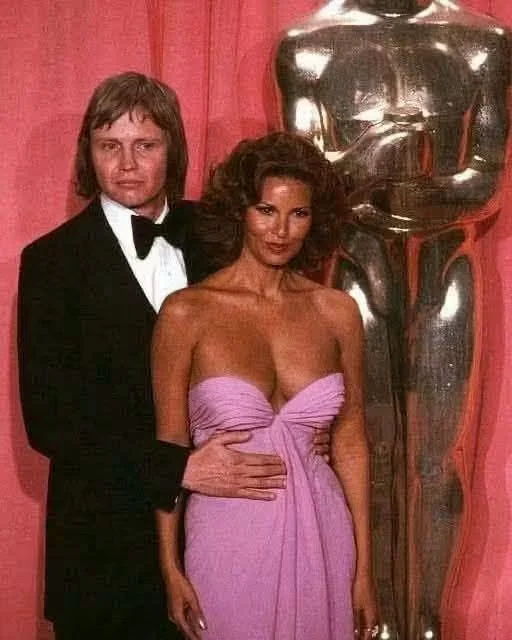
There is something special about looking at an old photograph.
A picture taken today can be captured in a second, posted online, and forgotten soon after. But an old photograph can take us back many years. It gives us a small window into a world that no longer exists.
Sometimes, the most interesting part of an old picture isn’t the person standing in front.
It may be something in the background.
A strange piece of clothing, an old car, a faded sign, a building, a tool, or even a simple object on a table can tell us something about the past.
That is what makes historical photographs so fascinating.
They don’t need to show a famous person or a major event. An ordinary family, street, shop, or workplace can sometimes tell us more about everyday life than an official historical record.
The Main Subject Isn’t Always the Best Clue
When we look at a photograph, our eyes usually go straight to the main subject.
If someone is standing in the center, we look at that person.
If it shows a building, we notice the building.
If there is a crowd, we look at the people.
But the most valuable clues may be hiding somewhere else.
A person in the distance may be wearing clothes that help identify the time period. A car at the side of the picture may tell us when the photograph was taken. A store sign may preserve the name of a business that disappeared many years ago.
Even a small object sitting on a table can tell us about the technology and lifestyle of the people who lived at that time.
The longer you study an old photograph, the more details you may discover.
Everyday Life Can Tell Us a Lot
Old photographs are valuable because they often show normal life.
History books usually focus on major events such as wars, political changes, disasters, famous people, and important inventions.
But ordinary people lived through those periods too.
What did their homes look like?
What did they wear?
How did they travel?
What did children do?
What tools did workers use?
What did their streets look like?
Old photographs can help answer these questions.
A family picture might show furniture, clothing, hairstyles, buildings, and family traditions.
A photograph outside a factory could show machines, workers, vehicles, and working conditions.
A street scene might contain bicycles, advertisements, horse-drawn wagons, early cars, and buildings that disappeared long ago.
The photographer may have intended to capture only one moment, but the camera often preserved many other details by accident.
Why Old Pictures Can Look Unusual
Old photographs often look strange to modern eyes because photography was very different in the past.
Today, phones automatically adjust lighting, focus, color, and exposure. Taking a clear picture requires almost no effort.
Early photographers had far fewer advantages.
Taking a photograph could require a long exposure. Lighting could be difficult. Equipment was complicated, and people sometimes had to remain still for a long time.
This is one reason people in old photographs often look serious.
A person may not have been unhappy at all. Holding a smile for a long exposure could simply be uncomfortable.
Knowing how old photographs were made can help us avoid making the wrong assumptions about what we see.
Clothing Can Help Identify the Era
Clothes are often useful when trying to understand an old photograph.
Fashion changes over time. Dresses, jackets, hats, collars, shoes, and other accessories can give us clues about when a picture may have been taken.
However, clothing alone cannot always tell us the exact year.
People often continued wearing older styles long after newer fashions appeared. Certain communities and families also followed their own styles.
That is why clothing should be compared with other clues.
Look at the cars.
Check the buildings.
Read the signs.
Study the type of photograph.
When several details point toward the same time period, the guess becomes much stronger.
Cars and Transportation Can Reveal the Date
A vehicle in the background might look unimportant, but it can be a very useful historical clue.
Cars changed quickly during the twentieth century. Buses, bicycles, motorcycles, trains, and horse-drawn vehicles changed as well.
Details such as the shape of a car, its wheels, headlights, license plate, or body design can sometimes help narrow down the date of a photograph.
The vehicle doesn’t have to be the main subject.
It may simply be passing through the scene.
Years later, that random vehicle could become one of the most useful details in the entire picture.
Buildings Have Stories Too
Buildings can reveal a great deal about the past.
Look at the structures around the people.
What kind of architecture do they have?
Are there old business signs?
Does the street look different from today?
Was the building later changed or destroyed?
Historic photographs can help us understand how towns and neighborhoods developed.
A building that seems ordinary today may once have been an important part of the community.
An old street that looks completely unfamiliar may become recognizable when compared with a photograph from decades ago.
Don’t Ignore Small Signs
One of the easiest things to overlook is a sign in the background.
A business name, street address, phone number, advertisement, or even a price can provide valuable information.
Old advertisements can also reveal what people bought, how products were promoted, and how much things cost.
A business name from an old photograph can sometimes be checked against newspapers, maps, city directories, or other historical records.
Something that looks like a tiny detail can sometimes open the door to an entire story.
Strange Doesn’t Always Mean Mysterious
When people notice something unusual in an old photograph, they may quickly assume it is something mysterious.
But there can be simple explanations.
Two objects may look connected because of perspective.
A shadow can look like a person.
A reflection can create a strange shape.
People standing close together can overlap and make the image confusing.
Old photographs can also have scratches, stains, fading, and other damage.
So an unusual picture isn’t automatically evidence of something unexplained.
Sometimes the mystery disappears once you look at the image more carefully.
Restored Photos Aren’t Automatically Fake
Old photographs naturally become damaged with age.
Paper can turn yellow.
Pictures can fade.
Dust and scratches can appear.
Parts of an image can tear or disappear.
Historians and archivists sometimes restore old photographs so that people can see the original details more clearly.
Restoration does not automatically mean the picture has been changed dishonestly.
There is a difference between restoring an old image and deliberately altering it.
If the history of a photograph is important, the best approach is to look for information about where the image came from and how it was preserved instead of trusting a dramatic caption on social media.
How to Examine an Old Photograph
When you find an old picture that catches your attention, don’t immediately decide what it means.
Take your time.
Start with the main subject, then slowly examine everything around it.
Look for:
- Clothing and hairstyles
- Cars and other transportation
- Buildings and architecture
- Signs and advertisements
- Furniture and household objects
- Tools and machinery
- Streets and roads
- Shadows and reflections
- Scratches, damage, and signs of restoration
Then ask yourself what each detail might tell you.
Most importantly, separate what you can actually see from what you are guessing.
That simple habit can make your conclusions much more accurate.
Sometimes You Need to Look Twice
People today are used to moving quickly through images.
We scroll through hundreds of pictures every day, often giving each one only a few seconds of attention.
Old photographs are different.
They reward patience.
A second look might reveal a person you didn’t notice.
Another look could uncover an old advertisement.
You might suddenly notice a vehicle, tool, building, or piece of clothing that changes your understanding of the entire scene.
The photograph hasn’t changed.
You simply noticed something new.
The Real Story May Be the People
Perhaps the most beautiful thing about historical photographs is that they connect us with people who lived long before us.
The people in those pictures had families, jobs, worries, dreams, celebrations, and everyday routines.
They probably never imagined that decades later, strangers would study the objects around them or wonder about the buildings in the background.
Yet those small pieces of their lives survived.
That is the real power of an old photograph.
It can preserve ordinary moments that might otherwise have disappeared forever.
Final Thoughts
An old photograph doesn’t need to contain a shocking secret to be interesting.
Sometimes its greatest value is hidden in simple details.
A hat can tell us about fashion.
A car can help identify a time period.
A building can show how a neighborhood changed.
A store sign can reveal a business that disappeared long ago.
A household object can show how people lived and worked.
And something that looks mysterious at first may eventually have a very ordinary explanation.
So the next time you come across an old photograph, don’t scroll past it too quickly.
Stop for a moment.
Look at the people.
Study the background.
Check the edges of the frame.
Notice the things that seem unimportant.
Question dramatic claims.
An old photograph is more than just a picture. It is a small piece of the past, filled with clues about the people, places, and world that existed before us.
Sometimes, the most amazing discovery isn’t a hidden mystery at all.
It’s realizing just how much history can fit inside one ordinary photograph.

Dedicated and experienced pet-related content writer with a passion for animals and a proven track record of creating engaging and informative content. Skilled in researching, writing, and editing articles that educate and inspire pet owners. Strong knowledge of animal behavior, health, and care, combined with a commitment to delivering high-quality content that resonates with audiences. Seeking to leverage writing skills and passion for pets to contribute to a dynamic and mission-driven team.