
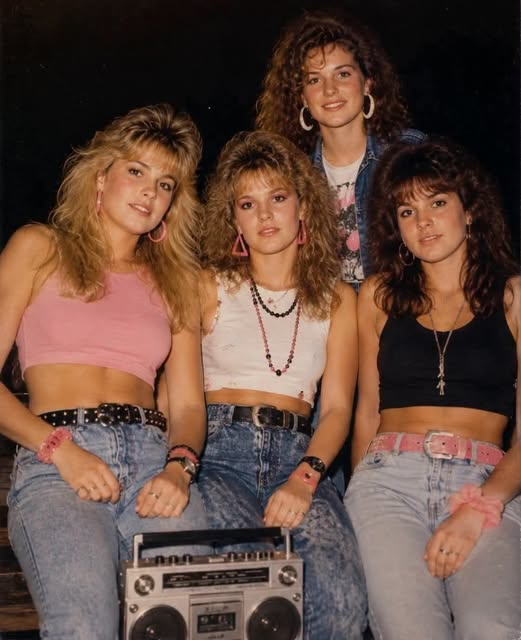
Fashion can tell us a lot about a time period.
The clothes people wore often reflected their culture, lifestyle, music, work, and even the social rules of the time. Over the past century, men’s and women’s fashion has changed again and again, with some trends becoming timeless and others thankfully disappearing.
A popular fashion video from Mode once looked at this transformation by comparing men’s and women’s styles across 100 years.
From formal suits and long dresses to denim, leather jackets, oversized hair, and modern minimalist outfits, the changes are incredible.
Looking back, some decades produced styles that still look great today. Others make us wonder what people were thinking.
Here’s a quick trip through fashion from 1915 to 2015.
1. 1915
Fashion in 1915 was much more formal than what we’re used to today.
Women wore long dresses with structured shapes, while men looked polished in traditional suits and hats.
The men’s style has a classic quality that still works today.
Women’s clothing, however, was much less practical by modern standards.
That stylish feathered hat is a nice touch, but the heavy dress is definitely something most women today would rather leave in the past.
Winner: Men
2. 1925
The 1920s brought a completely different energy.
Women began wearing shorter dresses, experimenting with looser shapes, and embracing the famous flapper look.
It was the decade of dancing, parties, and a more relaxed attitude toward fashion.
Men’s clothing was still fairly formal, but some of the styles from this period haven’t aged quite as well.
The women take this round.
Winner: Women
3. 1935
The 1930s gave both men and women more polished looks.
Men’s suits became sharper and more fitted, creating the kind of classic appearance that still influences menswear.
Women’s outfits focused heavily on elegant shapes and flattering silhouettes.
This one is difficult to call.
Men probably had the stronger overall styling, while women’s clothing had the more interesting shapes.
Winner: Men, by a small margin
4. 1945
The 1940s brought practical clothing influenced by wartime life.
Women’s fashion became more useful without completely giving up its sense of style. Wide-leg trousers, sweaters, and simple hats created a look that still feels surprisingly modern.
Men’s outfits were practical too, but they didn’t have quite the same appeal.
The women’s look wins this decade.
Winner: Women
5. 1955
The 1950s completely changed the mood.
This was the age of greasers, rock ‘n’ roll, colorful dresses, and leather jackets.
Women’s clothing became more playful and colorful, while men’s fashion became more relaxed and adventurous.
And let’s be honest: a good leather jacket still looks great.
The men’s style gets the point here.
Winner: Men
6. 1965
The 1960s brought bold colors, new shapes, and plenty of experimentation.
Some men’s outfits from this period were extremely unusual, with mustard tones and beatnik-inspired styles that haven’t aged particularly well.
Women’s fashion, on the other hand, became brighter and more stylish.
The colorful dress wins this round easily.
Winner: Women
7. 1975
The 1970s are impossible to forget when talking about fashion.
Denim, paisley prints, turtlenecks, oversized glasses, suede, and fringe were everywhere.
It was also the decade when people became more comfortable experimenting with their appearance.
Both men and women had plenty of memorable styles, but women’s denim looks stand out more.
Winner: Women
8. 1985
The 1980s were… a lot.
Big hair, bright colors, oversized clothing, shoulder pads, mullets, and dramatic makeup defined the decade.
Some of these trends have made comebacks, but looking at them today can still be a little painful.
Neither side really deserves a clear victory.
Winner: Draw
9. 1995
The 1990s brought a completely different attitude.
Grunge became popular, with flannel shirts, loose clothing, denim, simple tops, and a more relaxed approach to dressing.
Women’s fashion especially embraced the grunge movement.
The style felt less polished and more natural, which made it stand out from previous decades.
Winner: Women
10. 2005
By the mid-2000s, fashion had moved into a more familiar territory.
Jeans became a major part of everyday clothing, and both men and women had more choices when it came to casual outfits.
The early 2000s also gave us many memorable television-inspired looks, from teen dramas to celebrity street style.
Compared with some earlier decades, the clothing felt more practical and easier to wear.
Both sides improved, but men’s fashion gets a slight advantage here.
Winner: Men
11. 2015
By 2015, fashion had become much more flexible.
People had more freedom to mix different styles, colors, cuts, and influences. Minimalist clothing became popular, but bold fashion was still everywhere on runways and in streetwear.
Comfort also became much more important.
People could dress casually without necessarily looking messy, and modern clothing was designed for many different lifestyles and types of weather.
Between the two looks being compared, the men’s outfit comes out ahead.
The fit is cleaner, the styling is more modern, and the all-denim look works surprisingly well.
Winner: Men
So, Who Won?**
After going through a century of fashion, the women’s side comes out slightly ahead.
The final score is Women 6, Men 5.
But the real winner may simply be modern fashion.
Today’s clothing gives people far more freedom to decide what works for them. There are fewer strict rules about what men and women are supposed to wear, and personal style has become much more individual.
Women can wear trousers, sneakers, jeans, dresses, suits, or almost anything else they feel comfortable in.
Men have also gained more freedom to experiment with colors, cuts, accessories, and casual styles.
Of course, fashion will keep changing.
Some trends will disappear, some will return decades later, and others will become classics.
That’s what makes looking back at fashion so entertaining.
A style that seems strange today might become popular again tomorrow.
And something we think looks incredibly cool now might become the fashion mistake people laugh about years from now.
After all, that’s how fashion works.
It never really stays still.

Dedicated and experienced pet-related content writer with a passion for animals and a proven track record of creating engaging and informative content. Skilled in researching, writing, and editing articles that educate and inspire pet owners. Strong knowledge of animal behavior, health, and care, combined with a commitment to delivering high-quality content that resonates with audiences. Seeking to leverage writing skills and passion for pets to contribute to a dynamic and mission-driven team.